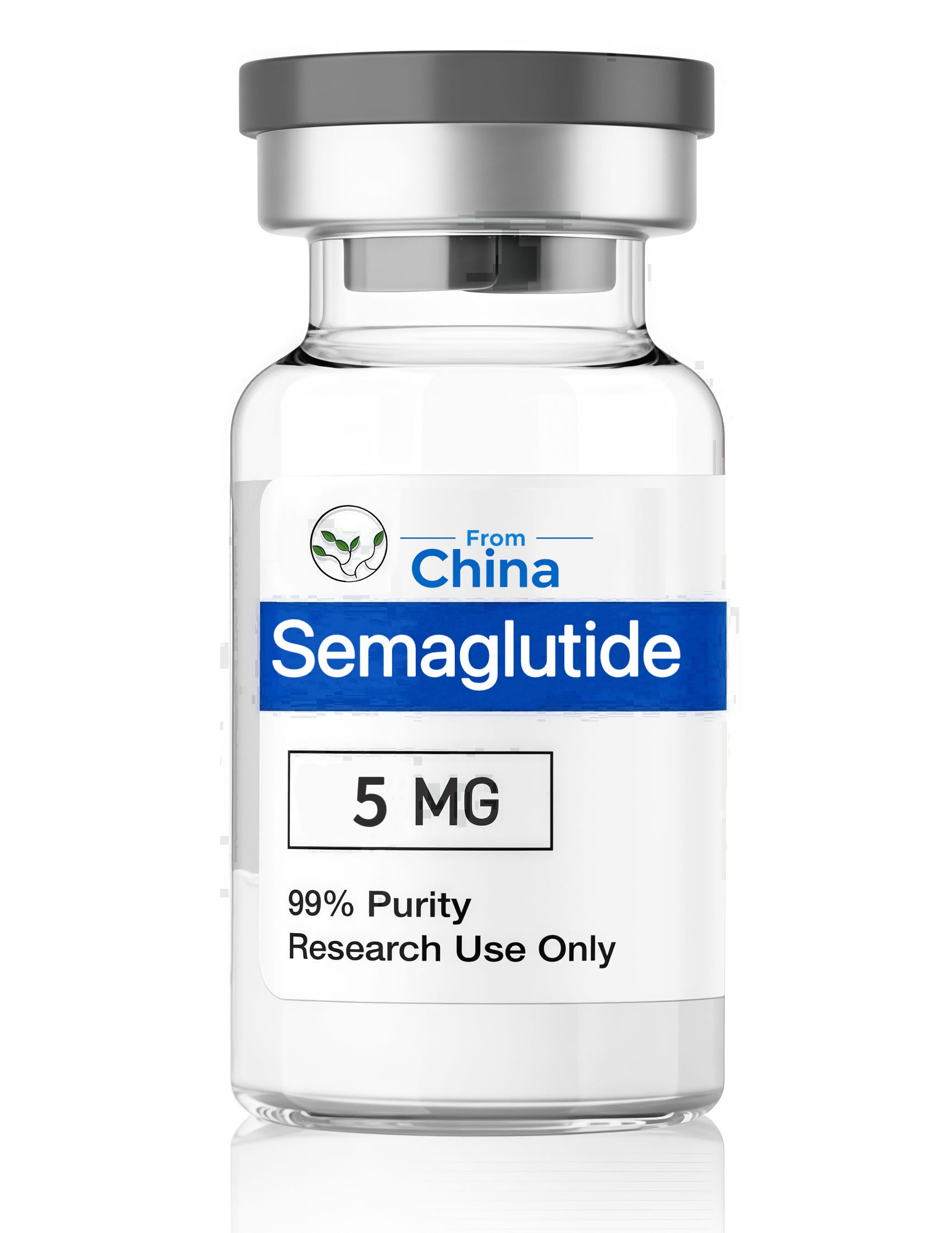
If you have spent any time in a metabolic lab lately, you have probably heard someone say “just use semaglutide” the way people used to say “just use insulin.” That shorthand is convenient, but it hides a lot of nuance. Semaglutide is not a single generic reagent—it is a heavily modified GLP-1 analog with a fatty-acid side chain, specific linker chemistry, and a synthesis profile that punishes sloppy suppliers.
This article is for people running in-vitro or animal-model work under proper RUO (research use only) frameworks. Nothing here is medical advice, and nothing here is about personal weight-loss use. We are talking about why the peptide became a reference compound—and what you should check before it enters your freezer.
Why semaglutide changed the conversation
Classic GLP-1 peptides degrade fast. Native GLP-1 (7–36) is basically a coffee break for your proteases. Semaglutide’s modifications—particularly the Aib substitution at position 8 and the C18 di-acid linker—stretch half-life enough that receptor assays stop looking like noise wrapped in hope. For diabetes and obesity pathway research, that stability matters more than marketing slides ever will.
In dual-readout models (glucose-stimulated insulin secretion plus body-weight endpoints in rodents), semaglutide gives you a cleaner pharmacology window than first-generation analogs. That is why so many papers treat it as a benchmark—not because it is magic, but because it is predictable when the material is real.

What “multifaceted” actually means in the lab
People use the word multifaceted because semaglutide touches more than one pathway readout. You might see it in cAMP accumulation assays at the GLP-1 receptor, in beta-cell viability panels, in adipocyte lipolysis models, and increasingly next to tirzepatide or retatrutide as a comparator. Each of those experiments cares about different impurities.
- Receptor binding: wrong sequence = shifted EC50, not just lower potency
- Cell viability: residual TFA or solvent spikes can look like “toxicity”
- Longitudinal studies: oxidation products accumulate if storage is sloppy
- Comparator studies: lot-to-lot drift breaks your whole paper narrative
The three checks we do not skip on receiving
First, identity: HR-MS or MALDI should match the expected mass within your lab’s tolerance. Second, purity: RP-HPLC at 214 nm with the main peak ≥99% area—or at least know what the other peaks are. Third, handling: reconstitute once, aliquot, freeze at −80 °C, and stop pretending −20 °C is “good enough” for six months.
Obesity and diabetes research standards in 2026
Reviewers now ask about lot numbers, impurity profiles, and comparator selection. The bar moved. Using semaglutide as a reference compound is reasonable; using “any GLP-1 labeled peptide” is not. If your institution runs GLP-1 program work, align your incoming QC with what your core facility already documents for antibody lots—same discipline, different molecule.
We publish this under Mallmixo because a lot of labs still discover us through older indexed URLs about semaglutide research standards. The domain changed; the bench expectations did not. Browse the live catalog when you are ready to compare specs side by side—start from the homepage search if you already know your SKU.